


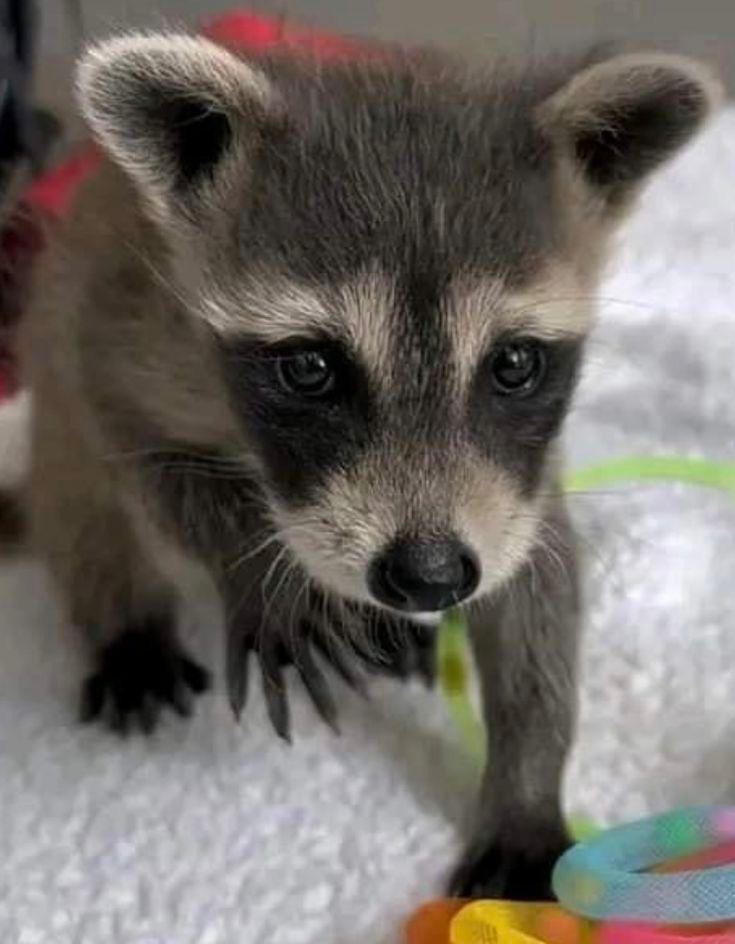
Raccoons Pets adoption in USA Raccoons have captured the curiosity of animal lovers across the United States with their expressive faces, intelligent behavior, and playful nature. While traditionally known as wild animals, some people are now exploring raccoon pet adoption as an alternative to conventional pets. However, owning a raccoon is very different from owning a cat or dog. This guide provides a detailed, SEO-optimized overview of raccoon pet adoption in the USA, covering legality, care requirements, behavior, diet, housing, and ethical considerations.
Understanding Raccoons as Domestic Pets
Raccoons are highly intelligent mammals known for their dexterity, problem-solving abilities, and strong curiosity. In the wild, they are nocturnal omnivores that thrive in forests, wetlands, and even urban environments. When raised in captivity from a young age, raccoons can form strong bonds with humans, but they still retain many wild instincts.
Unlike traditional pets, raccoons require extensive mental stimulation and constant supervision. They are not naturally domesticated animals, which means their behavior can be unpredictable, especially as they mature. Anyone considering raccoon adoption must understand the long-term responsibility involved.
Is It Legal to Own a Pet Raccoon in the USA? Raccoons Pets adoption in USA
The legality of owning a raccoon varies by state and sometimes by county. Some states allow raccoon ownership with permits, while others prohibit it entirely due to public health and wildlife protection laws.
States that commonly allow raccoon ownership under specific conditions include: Raccoons Pets adoption in USA Home Main
- Florida
- Indiana
- Michigan
- Nebraska
- Oklahoma
- Tennessee
In these states, permits are often required, and the raccoon must usually come from a licensed breeder or wildlife rehabilitator. Other states strictly prohibit private ownership regardless of permits.
Before adopting a raccoon, it is essential to verify local and state regulations. Violating wildlife laws can result in fines, confiscation of the animal, or legal action. Raccoons Pets adoption in USA
Ethical Considerations of Raccoon Adoption
Ethical responsibility is a major factor when considering raccoon adoption. Raccoons are wild animals, not domesticated pets, and removing them from their natural environment should never be taken lightly.
Ethical raccoon adoption usually involves:
- Adopting raccoons that cannot survive in the wild due to injury or abandonment
- Working with licensed wildlife rehabilitators
- Ensuring the animal’s welfare is prioritized over novelty or entertainment
Responsible owners focus on providing an enriched environment that allows the raccoon to express natural behaviors such as climbing, foraging, and exploring. Raccoons Pets adoption in USA
Raccoon Personality and Behavior Raccoons Pets adoption in USA
Raccoons are highly intelligent and emotionally complex animals. They can recognize their caregivers, solve puzzles, and remember routines. However, they can also be stubborn, mischievous, and territorial.
Common raccoon behaviors include:
- Opening doors, drawers, and containers
- Hoarding objects
- Exploring constantly
- Being nocturnal or crepuscular
- Displaying mood swings, especially during adolescence
Raccoons often bond closely with one or two people but may be wary of strangers. Early socialization is crucial to reduce aggression and fear-based behaviors.
Housing and Enclosure Requirements Raccoons Pets adoption in USA
Providing proper housing is essential for a healthy raccoon. Unlike cats or dogs, raccoons need large, secure enclosures that allow for climbing, digging, and mental stimulation.
Indoor housing considerations:
- A dedicated raccoon-proofed room
- Locked cabinets and secured electrical cords
- Durable furniture and climbing structures
Outdoor enclosures should include:
- Weatherproof shelter
- Enrichment features such as logs, ramps, and water basins
- Secure fencing to prevent escape
Raccoons are strong and intelligent, so enclosures must be reinforced and escape-proof.
Diet and Nutrition for Pet Raccoons
A balanced diet is critical to maintaining a raccoon’s health. In the wild, raccoons are omnivores, eating fruits, vegetables, insects, small animals, and nuts.
A healthy pet raccoon diet may include:
- Fresh fruits such as apples, berries, and bananas
- Vegetables like carrots, squash, and leafy greens
- Lean proteins such as eggs, poultry, and insects
- Commercially formulated raccoon or exotic animal food
Foods to avoid include processed foods, sugary snacks, chocolate, caffeine, and fatty meats. Overfeeding can lead to obesity, which is a common health issue in captive raccoons.
Health Care and Veterinary Needs Raccoons Pets adoption in USA
Raccoons require specialized veterinary care from professionals experienced with exotic or wildlife species. Regular checkups help detect health issues early.
Important health considerations include:
- Rabies vaccination (where legally permitted)
- Parasite prevention
- Dental care
- Monitoring for obesity and joint issues
Because not all veterinarians treat raccoons, it’s essential to locate an exotic animal vet before adopting. Raccoons Pets adoption in USA
Socialization and Training
While raccoons cannot be trained like dogs, they can learn basic routines and behaviors through positive reinforcement. Training should focus on trust-building rather than obedience.
Effective socialization techniques include:
- Gentle handling from a young age
- Positive reinforcement using healthy treats
- Consistent daily routines
- Avoiding punishment or force
Raccoons respond best to patience and consistency. Harsh discipline can lead to fear or aggression.
Challenges of Keeping a Raccoon as a Pet
Owning a raccoon is not suitable for everyone. Common challenges include:
- Destructive behavior
- High energy levels
- Long lifespan of up to 15–20 years
- Legal restrictions and veterinary limitations
Raccoons can also become aggressive during mating seasons or hormonal changes, requiring experienced handling.
Responsible Adoption and Long-Term Commitment
Adopting a raccoon should be a lifelong commitment. These animals depend entirely on their caregivers for safety, enrichment, and health. Responsible ownership means planning for their long lifespan, financial needs, and specialized care.
Before adopting, potential owners should:
- Research state and local laws
- Prepare an appropriate habitat
- Identify an exotic animal veterinarian
- Understand the behavioral challenges
When done responsibly, raccoon adoption can be a rewarding experience built on trust, patience, and respect for wildlife.
Final Thoughts on Raccoon Pet Adoption in the USA
Raccoon pet adoption in the USA is a complex but rewarding journey for those willing to commit fully. These intelligent, curious animals require specialized care, legal awareness, and a deep understanding of their natural behaviors. While not suitable for everyone, raccoons can thrive in the right environment with dedicated and knowledgeable caregivers.
By prioritizing ethical adoption, proper care, and respect for wildlife, potential owners can ensure a safe and enriching life for both themselves and their raccoon companions.


