


Legal, Ethical, and Practical Guide for 2025
Understanding Raccoons for Sale in the USA
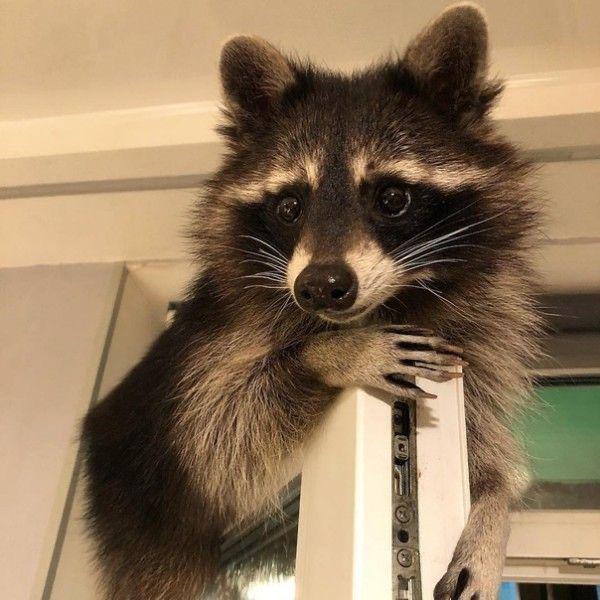
Raccoons for Sale in the USA: The search phrase “raccoons for sale in the USA” has become increasingly popular, especially among exotic pet enthusiasts fascinated by raccoons’ intelligence, playful behavior, and highly social nature. Although raccoons may look cute and curious, they are still wild animals, and purchasing or owning one involves complex legal requirements, ethical questions, and significant long-term responsibilities.Shop
Across the United States, raccoon ownership laws vary dramatically from one state to another. Some states allow raccoons as exotic pets under strict permitting rules, while others ban ownership entirely due to safety, welfare, and environmental concerns. Anyone interested in raccoons—whether as part of wildlife rehabilitation, professional work, or legal exotic pet ownership—must understand these regulations before taking any action.
This article provides a comprehensive and fully legal overview of raccoon ownership in the USA, including laws, care considerations, ethical issues, and safe alternatives.
Legal Status of Raccoon Ownership in the USA
Before anyone attempts to purchase a raccoon, it is essential to understand that raccoon ownership is heavily regulated. Unlike dogs or cats, raccoons cannot be freely bought, sold, or transported across state lines.
States Where Private Raccoon Ownership Is Allowed With Restrictions
Some states allow raccoon ownership, but only under controlled conditions such as permits or licenses. These rules may include:Home Main
- annual exotic pet permits
- proof of adequate housing
- veterinary inspections
- bans on releasing raccoons into the wild
- limits on buying raccoons from out-of-state sellers
Laws can change frequently, so buyers should always check their state’s Department of Wildlife or Fish and Game Authority.
States Where Raccoon Ownership Is Banned
Many states prohibit raccoon ownership entirely due to risks such as rabies, unpredictable behavior, and ecological harm if they escape. In these areas, buying or keeping a raccoon as a pet is illegal.
Why Raccoon Laws Are Strict
Raccoons are classified as wildlife, meaning they can:
- carry zoonotic diseases
- become aggressive as they reach adulthood
- cause significant property damage
- threaten local ecosystems
- become difficult to domesticate
For these reasons, state wildlife departments enforce strict regulations to protect both animals and the public.
Why People Search for Raccoons for Sale
Many people searching “raccoons for sale in the USA” are drawn to their charming personalities. Raccoons are known for being:
- highly intelligent (comparable to primates in problem-solving)
- curious and playful
- social and energetic
- capable of forming bonds with humans
However, despite these appealing traits, raccoons require specialised care that most households are not equipped for.
Challenges of Keeping a Raccoon as a Pet
Owning a raccoon can be far more challenging than expected. Anyone considering raccoon ownership should understand these realities.
Behavior and Temperament
Raccoons may appear friendly as babies, but as they mature:
- they can become territorial
- they may bite or scratch
- they require constant stimulation
- they can act unpredictably around strangers or children
Their natural instincts make them unsuitable for typical domestic environments.
Housing and Space Requirements
Raccoons need much more space than the average home provides. Enclosures must be:
- escape-proof
- enriched with climbing areas
- equipped with water play zones
- regularly cleaned
- large enough for natural behaviors
A raccoon kept indoors full-time may quickly become destructive.
Diet and Nutrition
Raccoons require a varied diet that includes:
- fruits
- vegetables
- proteins
- insects
- specialized supplements
Improper feeding can lead to obesity, malnutrition, or digestive issues.
Veterinary Care
Finding a veterinarian willing to treat raccoons is difficult, as many clinics do not handle wildlife species. Raccoons also require:
- rabies vaccinations (availability varies by state)
- parasite management
- dental care
- behavior assessments
This specialized care can be expensive and hard to access.
Ethical Considerations When Searching for Raccoons for Sale
Keeping raccoons as pets raises important moral questions.
Wild Instincts Cannot Be Fully Removed
Even hand-raised raccoons retain their natural instincts. Removing wild animals from their natural environment can be harmful to both the animal and the ecosystem.
Breeding Concerns
Irresponsible or illegal breeding of raccoons can:
- spread disease
- result in unhealthy animals
- encourage wildlife trafficking
- contribute to ecological disruption
Ethical exotic pet ownership always prioritises animal welfare.
Lifetime Commitment
Raccoons live 10–20 years in captivity. Many owners who purchase baby raccoons later surrender them to wildlife centres once they become unmanageable, which can stress the animal and overwhelm rescue organisations.
Safe and Legal Alternatives to Buying a Raccoon
Instead of attempting to purchase a raccoon, there are several legal, ethical alternatives for those who love raccoons.
Volunteering at Wildlife Rehabilitation Centres
Rehabilitation centres across the USA often need help caring for orphaned or injured raccoons. Volunteers get hands-on experience in a controlled, legal environment.
Sponsoring a Raccoon at a Wildlife Sanctuary
Many sanctuaries allow people to sponsor raccoons, helping fund their care and habitat.
Pet-Friendly Domestic Animals With Similar Traits
Some legal domestic pets share raccoon-like characteristics, such as:
- ferrets
- certain dog breeds
- cats with playful personalities
- sugar gliders (state-dependent)
These options provide a similar experience without the legal complications.
Why Raccoons Are Not Suitable for Most Homes
Buying a raccoon is dramatically more complicated than purchasing a typical pet. Most households are not prepared for:
- the high energy level
- the destructive behaviour
- the strict legal requirements
- the safety risks
- the specialised care
For this reason, wildlife experts strongly discourage raccoon ownership for inexperienced individuals.
How to Stay Compliant With US Wildlife Laws
Anyone who works with raccoons—whether through permitted ownership, wildlife rehabilitation, or professional care—must follow local and federal regulations.
Key steps include:
- applying for all required permits
- sourcing raccoons legally
- never transporting wildlife across state lines
- ensuring proper housing and handling
- maintaining veterinary documentation
Legal compliance protects both animals and humans.
Final Thoughts
Searching for raccoons for sale in the USA is increasingly common, but owning a raccoon is far from simple. These intelligent animals require specialised care, legal permits, and ethical responsibility. Instead of approaching raccoons as pets, many people choose safer, fully legal alternatives such as volunteering, sponsoring wildlife, or adopting domesticated animals with similar traits.
Understanding the laws, challenges, and ethical considerations ensures that raccoons and humans are protected. Anyone genuinely interested in these remarkable creatures should prioritise responsible, legal choices that support wildlife conservation and animal welfare.


