


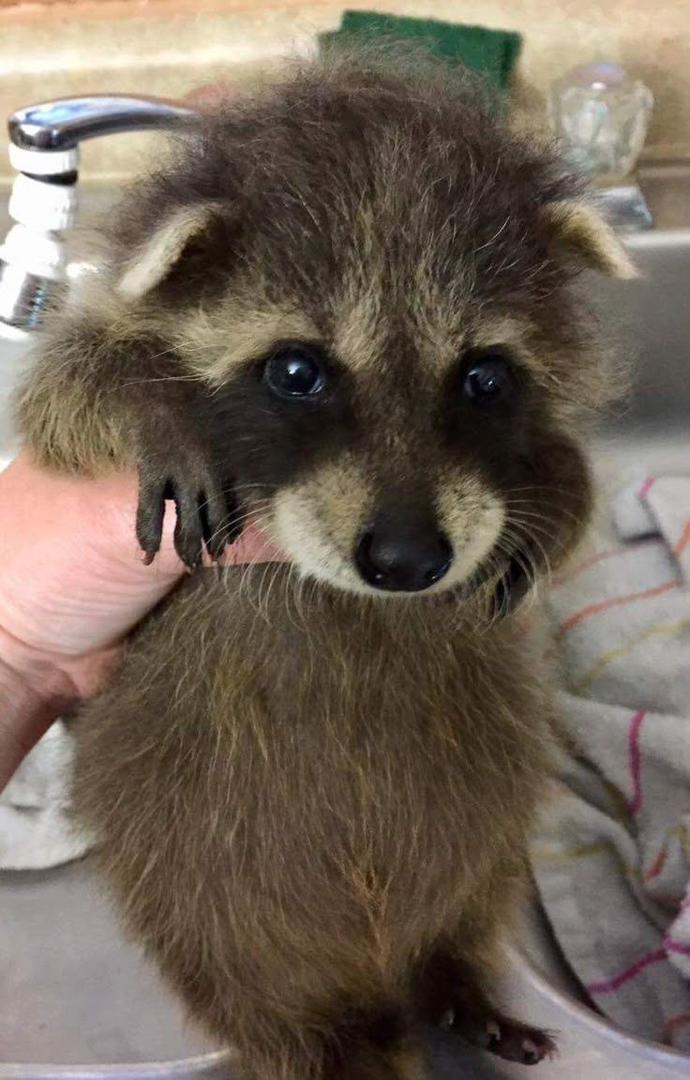
Raccoon Adoption Near Me: get one Home Main
Searching for raccoon adoption near me has become increasingly popular as more people look for unique, intelligent, and exotic companion animals. Raccoons are fascinating creatures known for their curiosity, problem-solving abilities, and playful personalities. However, adopting a raccoon is very different from adopting a dog or cat and requires careful planning, legal awareness, and long-term commitment.
This in-depth guide explains everything you need to know about raccoon adoption in the United States, including where to find adoptable raccoons, legal considerations, care requirements, and what to expect as a raccoon owner.
Understanding Raccoon Adoption in the United States
Raccoon adoption typically involves rescuing or legally obtaining a raccoon that cannot survive in the wild. These animals may come from licensed breeders, wildlife rehabilitation centers, or private owners who can no longer care for them.
Unlike common pets, raccoons are classified as exotic or wildlife animals in many states. Because of this, adoption often involves stricter rules, permits, and documentation.
People searching for “raccoon adoption near me” are often looking for:
- Ethical and legal adoption options
- Rescued or rehabilitated raccoons
- Trusted breeders or facilities
- Guidance on care and ownership
Understanding these factors is essential before moving forward.
Is Raccoon Adoption Legal in Your State?
Before pursuing raccoon adoption, it is critical to understand your local and state laws. Regulations vary widely across the United States.
Some states allow raccoon ownership with proper permits, while others strictly prohibit it. In certain areas, only captive-bred raccoons from licensed breeders are legal, while wild-caught raccoons are not allowed under any circumstances.
Common legal requirements include:
- Wildlife or exotic animal permits
- Proof of legal acquisition
- Veterinary health documentation
- Compliance with enclosure and care standards
Failing to follow local laws can result in heavy fines or confiscation of the animal. Always verify regulations with your state wildlife agency before proceeding.
Where to Find Raccoon Adoption Near You
People searching for raccoon adoption near them often explore several responsible options:
Licensed Breeders
Some breeders specialize in captive-bred raccoons raised for domestic environments. These breeders typically ensure proper socialization from an early age.
Wildlife Rehabilitation Centers
Occasionally, raccoons that cannot be released into the wild may be placed in permanent homes. Adoption from rehabilitation centers often requires proof of experience and proper housing.
Exotic Animal Rescues
Rescue organizations sometimes take in surrendered raccoons and rehome them to qualified individuals. These animals often need experienced handlers.
Private Rehoming
In some cases, current owners may need to rehome their raccoon due to relocation or lifestyle changes. Caution is advised to ensure the transfer is legal and ethical.
What to Expect When Adopting a Raccoon
Raccoon adoption is a long-term responsibility that can last 15–20 years. These animals are highly intelligent and require daily interaction and mental stimulation.
Key traits of pet raccoons include:
- Strong curiosity and problem-solving abilities
- High energy levels
- Emotional attachment to caregivers
- Occasional stubborn or destructive behavior
Raccoons are not low-maintenance pets and require constant supervision and enrichment.
Housing and Environment Requirements
Proper housing is essential for raccoon welfare. Whether kept indoors or in a secure outdoor enclosure, raccoons need space to climb, explore, and play.
A suitable environment includes:
- Secure, escape-proof enclosures
- Enrichment items such as tunnels, climbing structures, and toys
- Safe, chew-resistant materials
- Quiet areas for rest
Homes must be raccoon-proofed, as they can easily open doors, cabinets, and containers.
Feeding and Nutrition Needs
A healthy diet is crucial for a raccoon’s well-being. Raccoons are omnivores and require a balanced diet that mimics what they would eat in the wild.
Recommended foods include:
- Fresh fruits and vegetables
- Lean proteins such as eggs and poultry
- High-quality commercial exotic animal food
- Limited healthy treats
Avoid feeding processed foods, sweets, or fatty human foods, as these can lead to obesity and health problems.
Health Care and Veterinary Support
Before adopting a raccoon, ensure access to a veterinarian experienced in exotic animals. Not all veterinary clinics are equipped to treat raccoons.
Important health considerations include:
- Routine health checkups
- Parasite prevention
- Vaccination (where legally permitted)
- Monitoring for behavioral or dietary issues
Proper veterinary care is essential for long-term health and quality of life.
Challenges of Raccoon Adoption
While rewarding, raccoon adoption is not for everyone. Some common challenges include:
- Destructive behavior when bored
- Strong territorial instincts
- Long lifespan requiring long-term commitment
- Limited availability of veterinary care
Understanding these challenges beforehand helps ensure responsible ownership.
Is Raccoon Adoption Right for You?
Raccoon adoption is best suited for experienced animal caregivers who can meet the physical, emotional, and legal requirements of owning an exotic pet.
Before adopting, ask yourself:
- Do I have the time and resources required?
- Is raccoon ownership legal in my area?
- Am I prepared for long-term care?
- Can I provide a safe, enriched environment?
If the answer is yes, raccoon adoption can be a deeply rewarding experience.

Final Thoughts on Raccoon Adoption Near Me
Searching for raccoon adoption near me is the first step toward a unique and meaningful journey. With the right preparation, legal compliance, and commitment, adopting a raccoon can be both ethical and fulfilling.


